Alright, buckle up, folks, because something fascinating is happening in the crypto world, something that gets right to the heart of what a truly decentralized future could look like. Zcash, remember that privacy coin that's been quietly humming along for years? Well, it just exploded. A tenfold surge in five weeks? That’s not just a rally; that’s a seismic shift.
We're talking about a jump from around $40 to nearly $735, triggering over $50 million in short liquidations. And it's not just some flash-in-the-pan pump-and-dump scheme. This surge is fueled, at least in part, by something far more profound: growing anxieties about Bitcoin's increasing centralization and the relentless corporate embrace it seems to be caught in. Think about it: Bitcoin, the original digital rebel, is now cozying up to Wall Street. Some would say it's inevitable progress, but I think it's a slow creep toward the very thing it was designed to fight.
Zcash, on the other hand, offers something different: true privacy. It uses zero-knowledge proofs – or, in simpler terms, a way to verify transactions without revealing any sensitive information. Imagine being able to use cryptocurrency without the whole world knowing exactly what you're buying, selling, or holding. That's the promise of Zcash, and it's resonating deeply with a growing number of people.
This isn't just about hiding nefarious activities, either. It's about reclaiming control over your financial data. It's about preventing corporations and governments from tracking your every move. It's about the fundamental right to financial privacy, something that's becoming increasingly rare in our hyper-connected world.
And it's not just Zcash. Other privacy-focused coins like Monero and Dash are also seeing significant gains. This suggests a broader trend, a growing demand for cryptocurrencies that prioritize user privacy. We're seeing a narrative reset, as one source put it, where privacy isn't just a niche feature but a core value proposition.
But here's where things get really interesting, and where we have to consider the ethical tightrope we're walking. The recent sentencing of Keonne Rodriguez, a developer of the Bitcoin privacy app Samourai Wallet, to five years in prison sends a chilling message. Was he operating an unlicensed money transmitter? Perhaps. But it also feels like a direct attack on the very idea of financial privacy. It raises a crucial question: how do we balance the need for security and regulation with the fundamental right to privacy?
This is the kind of moment that reminds me why I got into this field in the first place. It's not just about the technology; it's about the values that underpin it. It's about building a future where technology empowers individuals, not the other way around.
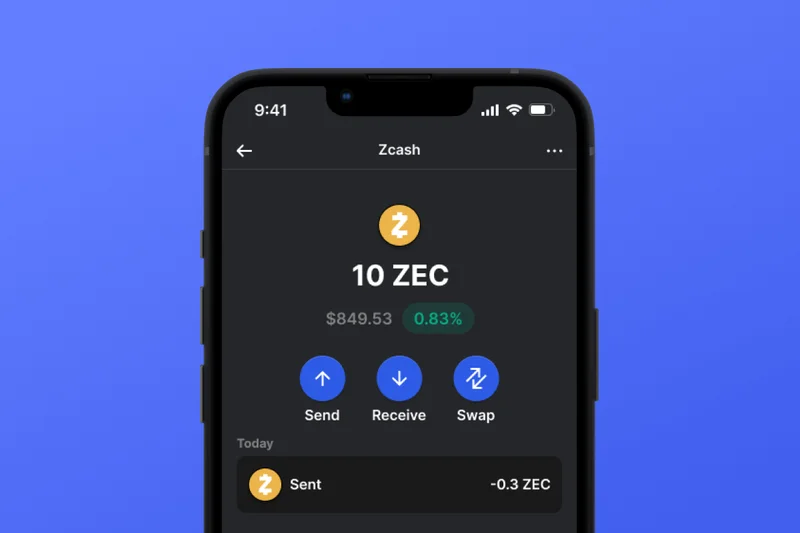
The rise of Zcash feels like a digital echo of the early days of the internet, when the promise of anonymity and freedom of expression reigned supreme. Just as encryption became essential for secure communication, privacy-focused cryptocurrencies may become essential for secure and private financial transactions.
What does it mean to live in a world where your financial transactions are as private as your thoughts? What new forms of innovation and creativity will emerge when people are free to experiment without fear of surveillance?
What this means for us is a crucial moment to decide what kind of future we want to build. One where technology serves the interests of the powerful few, or one where it empowers everyone?
I've been watching the chatter online, and the excitement is palpable. People are genuinely excited about the potential of Zcash and other privacy coins to disrupt the status quo. They see it as a way to reclaim control over their financial lives and to build a more decentralized and equitable future.
One insightful comment I saw online framed Zcash as “encrypted Bitcoin,” appealing to cypherpunk principles amid growing monitoring of blockchain transactions. This really nails it: it's about returning to the original vision of crypto as a tool for freedom and empowerment.
Galaxy Digital research analyst Will Owens also touched on this, noting that Zcash advocates frame it as encrypted Bitcoin, appealing to cypherpunk principles amid growing monitoring of blockchain transactions. The network enables users to shield transactions through zero-knowledge proofs, offering anonymous activity that resonates with those concerned about on-chain surveillance. And with 30% of Zcash supply now shielded, the anonymity set is growing, making it harder and harder to trace transactions. As Privacy Coin Zcash Continues Historic Surge, Nearing 8-Year High Price reports, the surge has been historic.
But let's be clear: Zcash is not without its challenges. It still faces regulatory hurdles, and its technology is not perfect. But the fact that it's gaining traction despite these challenges is a testament to the growing demand for financial privacy.